Discovering the very best Remote Protocol for Your SEO Management Needs
Maximizing Lead To the local market with High-Frequency CPUs
Performance standards for automated link structure have shifted drastically as we move through 2026. For years, the prevailing wisdom recommended that more CPU cores immediately equated to much better efficiency when running GSA Browse Engine Ranker (SER) The technical realities of how the software application connects with contemporary web protocols and server environments inform a different story. High core counts frequently result in reducing returns if the private clock speed of those cores is inadequate to handle the rapid-fire demands needed for effective link placement.Search engine algorithms in 2026 focus on the speed and confirmation of links more than ever. To keep pace, SEO professionals are finding that a VPS with less, faster cores surpasses massive 64-core makers that run at lower frequencies. This is mainly due to the fact that GSA SER relies on many sequential jobs that can not be effectively divided across lots of slow threads. When the software attempts to confirm a link or resolve an intricate footprint, the speed of that particular operation is governed by the single-core frequency.
The Technical Traffic Jam of Low-Frequency VPS Hosting
Many VPS suppliers in 2026 still market high-core-count makers based on older architecture. While these may appear like an anticipate those aiming to scale their operations in the regional area, they typically lead to slow performance. When a CPU runs at 2.2 GHz or 2.5 GHz, it has a hard time to keep up with the countless regex (regular expression) checks GSA SER carries out every minute. Each time the software application searches a page for a possible link spot, it should parse HTML and match patterns. If the clock speed is low, these checks take longer, triggering threads to hang and decreasing the overall "links per minute" (LPM) count.Context switching also plays a function in this performance space. When a processor manages numerous threads, it should continuously switch between them. On a low-frequency CPU, the overhead of this changing becomes a substantial drag on the system. High-frequency processors, particularly those exceeding 4.5 GHz or 5.0 GHz, handle these swaps with much greater effectiveness. This permits the software to maintain a constant circulation of information without the micro-stutters that often afflict lower-spec machines.
Why High Clock Speed Enhances Confirmation Ratios
Success in link building is not almost the number of efforts the software makes, however how numerous of those efforts result in a verified link. In 2026, sites have ended up being more sophisticated in their defense mechanisms. Rapid response times are required to navigate through multi-stage submission forms and security checks. Those concentrating on Asia Virtual Solutions Fast frequently discover that high-spec VPS options with greater clock speeds lead to greater validated link ratios due to the fact that the software application can complete the submission procedure before a session timeout occurs.When a thread takes too long to respond due to a slow CPU, the target site might drop the connection. This results in failed submissions and lost resources. By using a processor with a greater clock speed, the time in between finding a footprint and completing the submission is lessened. This speed is especially vital when handling platforms that utilize JavaScript-heavy aspects or complex CAPTCHA systems that need quick processing to resolve and send.
Optimizing GSA SER Settings for High-Performance Hardware
Having the ideal hardware is just half the battle. To genuinely benefit from a high-frequency CPU in 2026, the software settings must be tuned to match the hardware capabilities. In the GSA SER options, thread count should be stabilized against CPU usage. Numerous users make the error of setting the thread count too high, which overwhelms even a fast processor. A more efficient approach is to find the "sweet area" where the CPU usage sits around 70-80%, enabling bursts of activity without hitting 100% saturation.Professional specialists in the local SEO community typically recommend disabling particular heavy engines if the hardware is having a hard time. However, with a high-frequency CPU, you can manage to leave more engines active. The increased speed permits the software to manage the additional parsing requirements of varied platform types. Additionally, memory management becomes smoother with a quicker CPU, as it can clear the cache and process database updates with less latency.
The Effect of 2026 Web Standards on Link Building
The web in 2026 is faster and more resource-intensive than ever in the past. Modern sites use advanced file encryption and complex headers that need more processing power to browse. GSA SER should replicate a browser's behavior to a specific degree, and this emulation is a CPU-intensive task. A processor that can quickly handle SSL handshakes and decrypt information on the fly will always outperform a slower chip, no matter the number of cores the latter has.Effective application of Asia Virtual Solutions Fast SEO Proxies requires a hardware stack that focuses on cycle speed over thread density. This is due to the fact that the bottlenecks have actually moved from network bandwidth to local processing power. While fiber-optic connections are basic in 2026, the capability of the VPS to process the inbound and outgoing information at those speeds is limited by the CPU clock. A 10Gbps connection is worthless if the processor can just manage 100 demands per second due to low frequency.
RAM and NVMe Synergy with CPU Frequency
While the CPU is the main focus, it does not operate in a vacuum. In 2026, the interaction in between the CPU, RAM, and storage is more integrated than in previous years. DDR5 RAM and Gen5 NVMe drives are the standard for high-performance VPS setups. A high-frequency CPU can access information from these quick components a lot more quickly than a slow one. If the CPU is slow, it ends up being a bottleneck that avoids the RAM and SSD from operating at their full potential.For those running massive projects in the surrounding region, the speed at which the software saves data to the international lists is important. GSA SER constantly writes to files to keep an eye on confirmed links, failed efforts, and recognized websites. A quick CPU makes sure that these input/output operations are handled quickly. This avoids the software application from freezing or crashing throughout heavy database operations, which is a common problem on underpowered VPS configurations.
Choosing the Right VPS Company in 2026
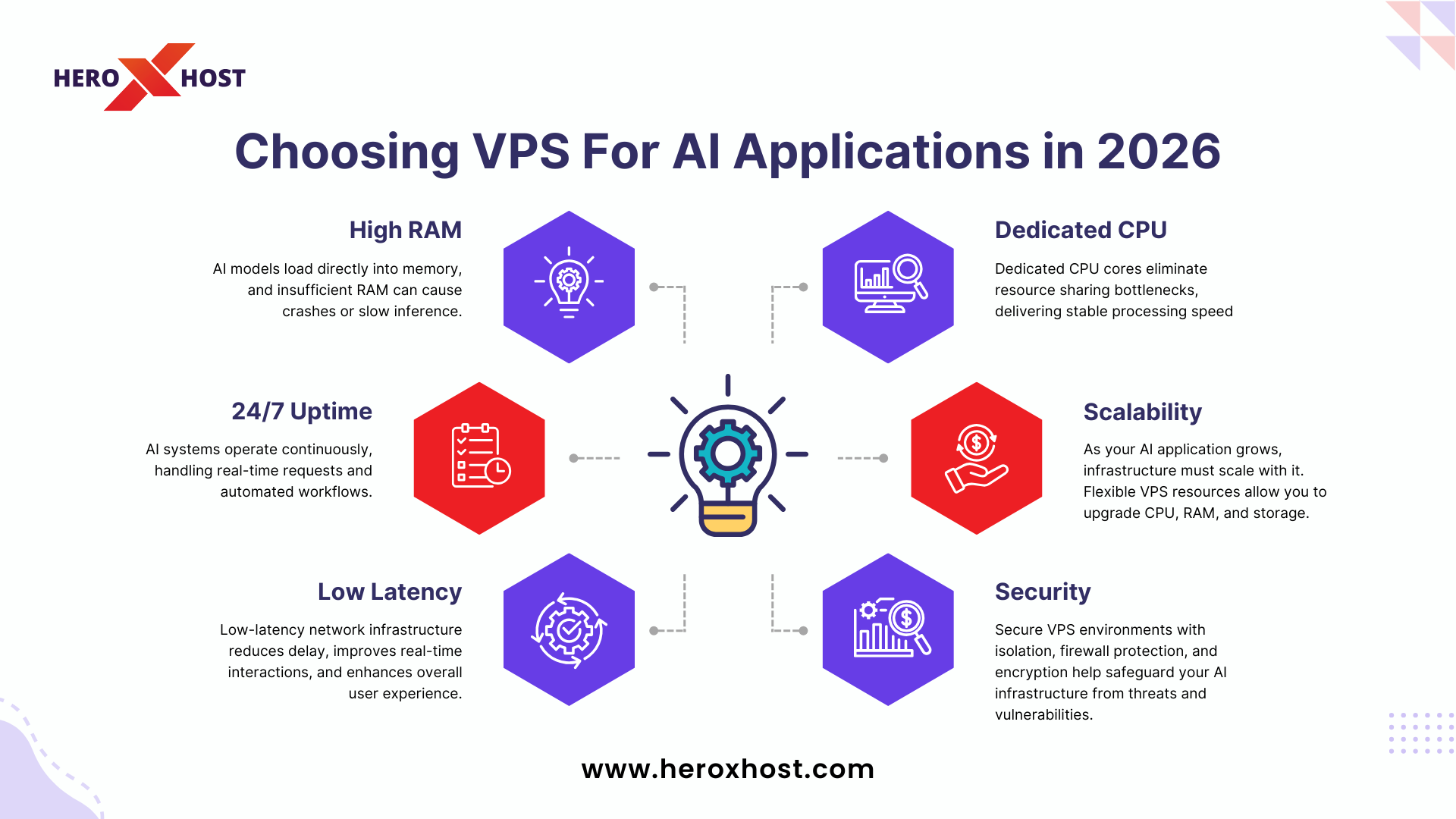
When shopping for a VPS for GSA SER in 2026, it is important to look beyond the basic core count. Numerous providers provide "SEO Optimized" packages that are in fact just recycled server hardware with high core counts however low speeds. Rather, look for companies that define the precise CPU design. Chips like the most recent Ryzen 9 or high-end Intel i9 versions are perfect because they use both high clock speeds and an enough number of cores to handle an affordable thread count.Reliability is another element. A VPS that throttles CPU performance during peak times will ruin the performance of a link-building campaign. Devoted resources are a must. In 2026, the finest service providers provide transparent tracking tools that show exactly how your CPU is carrying out. This openness permits you to see if you are hitting a frequency wall or if there is space to increase your thread count for much better lead to your specific market.
The Economics of Performance in 2026
There is a clear financial reward to choose clock speed over core count. A VPS with 16 high-frequency cores frequently costs less than a 64-core maker with lower speeds, yet it can produce more validated links in the exact same amount of time. This reduces the cost per link and improves the overall ROI of the SEO campaign. When the software runs effectively, it also consumes less proxies and less bandwidth, further lowering operational costs.The landscape of 2026 requires a more surgical approach to automation. Gone are the days when raw power alone was sufficient to control search engine result. Today, it has to do with the speed of execution. A nimble, fast-reacting setup is more most likely to bypass modern filters and safe positionings on high-authority websites. For anyone major about automatic link structure, the message is clear: focus on the clock speed of your processor to remain competitive in a progressively fast-paced digital environment.
Future-Proofing Your SEO Facilities
As we look towards the rest of 2026 and beyond, the pattern of increasing web intricacy reveals no indications of slowing down. Investing in high-frequency hardware today is a method to future-proof your facilities. Software updates for GSA SER and other automation tools will likely continue to enhance for high-speed, single-threaded performance. By selecting the right VPS now, you ensure that your setup remains feasible even as new, more demanding platforms emerge.In the modern digital economy, remaining ahead of the curve suggests understanding the underlying innovation that powers your tools. While core count will always fit in server architecture, the particular requirements of GSA SER make clock speed the dominant aspect for success. Concentrating on this metric will cause more stable projects, greater confirmation rates, and eventually, better rankings for the sites you handle. High-frequency processing is not simply a high-end; it has actually become a requirement for anybody looking to accomplish substantial lead to 2026.