Edge Computing Architecture: The Backbone of Smart Cities

Heat Management and High-Density Compute in the 2026 Digital Market
Information centers in 2026 face an unprecedented reality where power density per rack frequently goes beyond 100 kilowatts. This surge in energy requirement stems largely from the widespread adoption of huge synthetic intelligence designs that demand constant, high-performance estimations. As traditional air-cooling techniques reach their physical limitations, the industry has actually turned towards liquid-based cooling systems to preserve hardware stability. These systems utilize dielectric fluids or water loops to pull heat straight from processors, permitting much tighter hardware configurations without the danger of thermal throttling.
The shift to liquid cooling is not practically keeping chips from melting. It represents a fundamental change in how facilities are developed. In 2026, numerous operators have moved away from huge open-floor chiller systems in favor of closed-loop immersion setups. This method immerses server parts in non-conductive liquids, which capture heat nearly 1,200 times more successfully than air. Facilities utilizing these approaches see a substantial drop in their Power Use Effectiveness (PUE) scores, often hitting levels as low as 1.03. This performance is needed due to the fact that electrical energy costs and carbon policies have ended up being more stringent over the last twelve months.
Among the most practical advancements in 2026 includes heat reuse. Rather than venting excess thermal energy into the atmosphere, modern-day centers pipe warm water into local district heating networks. This setup offers heat for nearby property complexes or agricultural greenhouses. By turning a waste product into an utility, information centers act as neighborhood energy partners. Interest in SEO NEO Pricing has increased because energy expenses stay a leading concern for each large-scale service provider. Such partnerships assist offset the high functional costs of preserving specialized cloud infrastructure while meeting local ecological requireds.
The Increase of AI-Driven Energy Orchestration
Software has actually ended up being as crucial as hardware in the quest for sustainability. In 2026, AI-driven orchestration platforms manage power distribution in real-time. These systems predict work spikes and change cooling strength before the hardware even registers a temperature boost. By evaluating weather condition patterns, local grid demand, and server health, the software application guarantees that no watt is squandered. This level of accuracy enables centers to perform at higher temperature levels than previously thought safe, further reducing the energy needed for refrigeration.
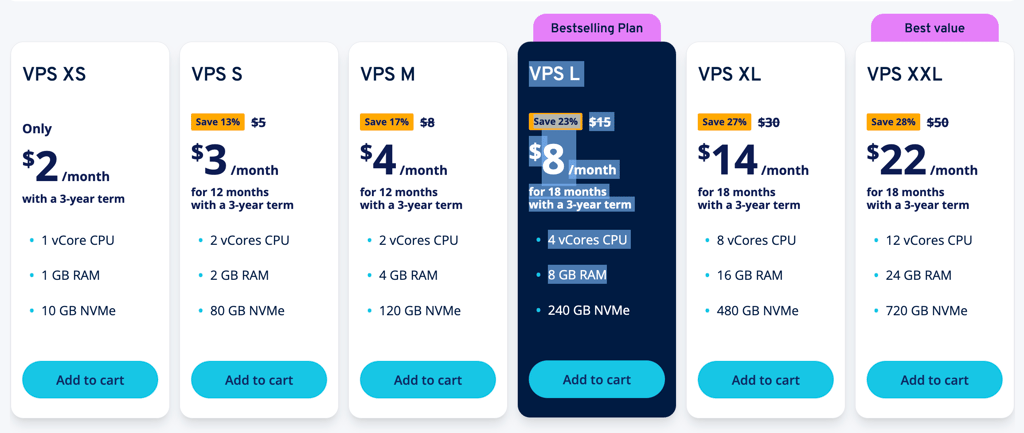
These orchestration tools likewise handle "follow the sun" or "follow the wind" work migrations. When eco-friendly energy production is high in one region, the system shifts non-urgent batch processing jobs to those specific nodes. This lowers dependence on fossil-fuel-based backup power throughout peak hours. Adopting SEO NEO VPS Plan Pricing helps organizations balance these complicated computational needs with their green energy goals. The capability to scale up or down based on carbon intensity has actually ended up being a standard function for any company wishing to remain competitive in the existing year.
Energy Storage and Grid Interaction in the 2026 Infrastructure Sector
The dependence on lead-acid or lithium-ion batteries for backup power is fading. In 2026, sodium-ion batteries and green hydrogen fuel cells have actually taken center phase. Sodium-ion innovation provides a much safer, more abundant alternative to lithium, with less supply chain issues. These batteries are now utilized for long-duration energy storage, allowing data centers to save excess solar or wind power throughout the day and use it throughout the night. This shift moves the industry better to 24/7 carbon-free energy goals, a target that appeared remote simply a few years back.
Green hydrogen is another area of rapid development. Some of the newest centers in 2026 function on-site electrolyzers that create hydrogen utilizing surplus renewable resource. This hydrogen is kept and after that fed into fuel cells to offer tidy, quiet backup power throughout grid blackouts. Unlike diesel generators, these fuel cells release just water vapor, getting rid of the regional air contamination generally associated with data center standby systems. This technology is particularly useful for high-capacity cloud platforms that need high uptime without the environmental footprint of old-school machinery.
Grid-interactive data centers are now coming true. Rather of simply pulling power, these centers can push energy back to the grid throughout periods of high need. This bi-directional circulation assists stabilize local electricity networks, preventing brownouts in urban areas. By serving as a huge battery for the city, the information center becomes a supporting force rather than a drain on resources. This relationship changes the general public understanding of large-scale calculate facilities from energy consumers to utility assets.
Modular Facilities and Edge Scalability
Speed of implementation is a significant element in 2026, resulting in a rise in modular data center construction. Rather of constructing massive, monolithic structures over numerous years, operators now use prefabricated modules that are produced in factories and delivered to the website. These systems come pre-integrated with cooling, power, and networking hardware. This plug-and-play method permits for fast scaling to satisfy the demands of edge computing, where processing happens closer to the end-user to lower latency.
Modular builds are inherently more sustainable because they minimize building waste and enable precise right-sizing. An operator does not require to build an enormous hall that will sit half-empty for years. They can just add modules as need grows. This flexibility is crucial for supporting modern digital services in regions where land and power are restricted. The look for Wikipedia for Technical Overview frequently leads business to evaluate their hardware lifecycle and approach these more efficient, versatile styles.
High-Performance Networking and Optical Interconnects
As information transfer rates climb up, the energy utilized by traditional copper cabling has actually ended up being a traffic jam. In 2026, photonic interconnects-- utilizing light rather of electrical power to move information in between chips-- have gone into the mainstream. Silicon photonics minimizes the power needed for information transmission within the rack by approximately 40 percent. This decrease is substantial when considering the countless connections within a modern-day hyperscale facility. Less heat produced by cables implies less energy invested in cooling those cable televisions.
Additionally, the physical footprint of networking hardware has diminished. Optical switches are now more compact and energy-efficient than their electronic predecessors. This permits for higher port density and faster interaction in between server clusters, which is important for training the next generation of AI. These hardware advancements guarantee that scalability does not come at the cost of an ever-expanding carbon footprint. The efficiency gains in networking are a major reason that the industry has managed to keep its total energy intake reasonably flat despite an enormous increase in overall calculate volume over the in 2015.
Circular economy concepts have actually likewise taken hold in the hardware supply chain. In 2026, makers design servers for easy disassembly and component healing. Unusual earth metals and state-of-the-art plastics are collected from decommissioned units to develop brand-new ones. This "cradle-to-cradle" method lowers the environmental effect of production and assists business adhere to new circularity laws. A lot of companies now report on their "circularity index" together with their carbon emissions, giving a more total image of their ecological impact.
The progress made in 2026 shows that high-performance computing and environmental responsibility can exist together. Through a combination of liquid cooling, AI-driven energy management, and advanced storage innovation, data centers have actually become cleaner and more integrated into their regional neighborhoods. While the need for data continues to grow, the innovations of 2026 supply a plan for a sustainable digital future that focuses on performance at every level of the stack.