Low-Latency Management: The Key to Effective SEO Software Application Scaling

2026 Hardware Standards for High-Performance SEO Automation
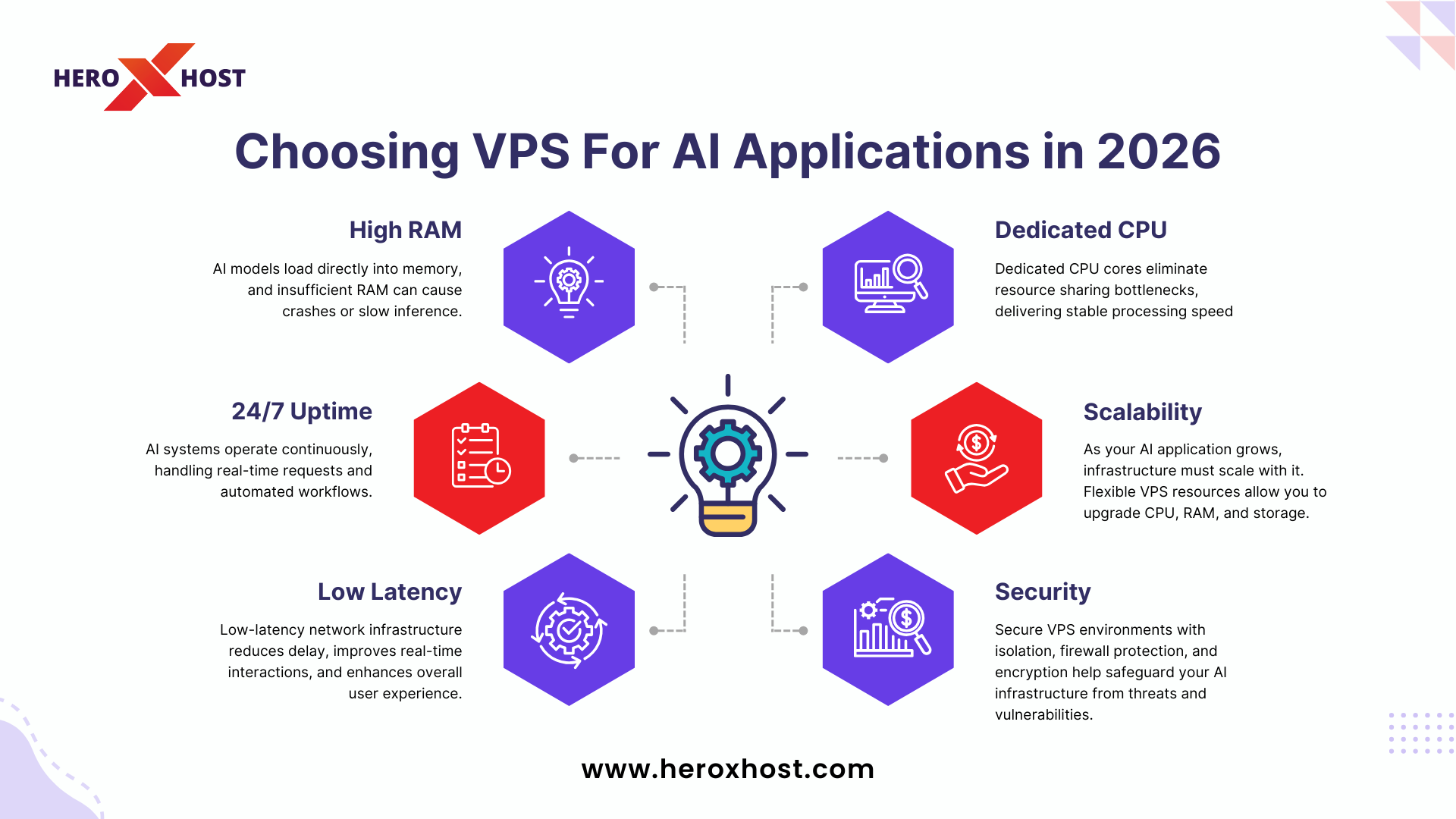
Modern SEO automation in 2026 relies on the synergy between raw processing power and fixing performance. As captchas have moved toward behavioral analysis and complex visual puzzles, the concern on Virtual Private Servers (VPS) has grown significantly. A common setup for GSA Online search engine Ranker now needs more than simply a standard dual-core setup. High-spec environments in 2026 frequently include AMD EPYC or Intel Xeon Gold processors with 32 to 64 threads. This level of power is required since the software should handle thousands of concurrent connections while at the same time handling the background procedures of different solving services.Memory management has actually ended up being another important element. In 2026, 128GB of DDR5 RAM is thought about the entry point for massive campaigns. When running GSA Browse Engine Ranker alongside regional solving tools, the RAM serves as a buffer for the huge quantities of data being processed per second. Slow memory results in thread hanging, which in turn triggers the captcha solving queue to back up. This bottleneck can mess up the ROI of a task. Professional users often choose NVMe Gen5 storage to make sure that the consistent logging and site-list reading do not introduce latency.
The Development of Captcha Solving APIs
The captcha resolving market has actually gone through a basic change. By 2026, easy text-based captchas are nearly nonexistent. A lot of platforms utilize advanced image acknowledgment, hCaptcha, or reCAPTCHA v3 and v4 versions that examine mouse motion and internet browser fingerprints. Solving these needs a VPS that can manage high-speed API calls without timing out. Many specialists now utilize a tiered approach to fixing. They utilize a regional OCR tool for easy, known patterns and offload the harder puzzles to cloud-based services.The response time of these services is determined in milliseconds. In 2026, if a fixing service takes longer than three seconds, the target website likely has currently timed out the session. This is why the network place of the VPS matters. Putting a VPS in regional data centers can lower the round-trip time between the automation software application and the resolving service. This geographic proximity guarantees that the solved token is returned while the target site still considers the session active.
Regional OCR vs. Cloud-Based Resolving Logic
Regional solving tools have become much more capable thanks to AI integration. In 2026, these tools can resolve around 70 percent of common captchas without requiring an external API. This conserves money, but it puts a massive strain on the VPS CPU. When GSA Online Search Engine Ranker is running 500 to 1,000 threads, the local solver may be using 40 percent of the CPU simply to procedure images. If the VPS is underpowered, the solver will fail, leading to wasted bandwidth and potential IP bans from target sites.Cloud-based services are the security net. They are used for the 30 percent of puzzles that the local solver can not analyze. The majority of specialists configure their software application to try the regional solver two times before sending out the puzzle to a paid API. This logic assists keep costs workable. Carrying out Asia Virtual Solutions Link Building Proxies frequently needs a mindful balance of API balance and local CPU overhead to keep high submission rates without spending too much.
Enhancing GSA Search Engine Ranker Threading
Thread management is the most misinterpreted element of using GSA Search Engine Ranker in a VPS environment. Lots of users believe that more threads constantly imply more backlinks. Nevertheless, in 2026, the restricting element is normally the rate at which captchas can be solved. If you set the software application to 2,000 threads however your solver can just manage 10 captchas per 2nd, the threads will simply sit idle, waiting on the solver to respond. This squanders VPS resources and can trigger the software application to crash.A more effective method includes matching the thread count to the fix rate. For a high-spec VPS, 500 to 800 threads is often the sweet spot. This permits a constant circulation of submissions without overwhelming the captcha line. It is also important to set the "Time out" settings properly. In 2026, 120 to 180 seconds is the basic timeout for intricate captchas. Setting this too low will lead to "stopped working to resolve" mistakes for puzzles that were actually on the brink of being finished.
Handling Expenses in regional data centers
The monetary element of automated link structure is tied straight to captcha resolving success rates. Every stopped working solve is a small waste of cash, but every effective resolve on a low-grade site is a bigger waste of resources. High-spec VPS users in 2026 use filtering to guarantee they only send captchas for websites with particular metrics. This targeted approach lowers the total number of puzzles sent to paid APIs.The market shift toward Asia Virtual Solutions Link shows the need for faster action times and much better filtering. By just trying to fix puzzles on high-authority domains, the expense per effective link stays low even if the cost of solving services increases. In addition, lots of VPS service providers now provide "SEO-optimized" packages that consist of pre-configured firewall settings to permit the high volume of outbound traffic that GSA Browse Engine Ranker produces.
Proxy Combination and Solver Dependability
Proxies are the bridge in between the VPS and the target website. If the proxies are sluggish, the captcha will not load, or the solver will get a broken image. In 2026, residential and mobile proxies are the requirement for high-success campaigns. Information center proxies are too easily discovered by modern-day captcha systems. When a captcha service receives an image from a flagged IP, it may supply a "unsolvable" action or purposefully slow down the fixing speed.Maintaining a healthy proxy pool is just as essential as the VPS hardware. The software application ought to be configured to rotate proxies each time a captcha exists. This avoids the target website from seeing numerous failed attempts from the same IP, which typically sets off even harder puzzles. High-spec VPS environments typically have enough bandwidth to handle the overhead of rotating proxies without any noticeable drop in submission speed.
Fine-Tuning the Solving Environment
To get the most out of a VPS in 2026, the operating system requires specific tweaks. Windows Server 2025 and 2026 prevail options, but they come with lots of background services that are unneeded for SEO automation. Disabling Windows Defender (with a third-party option in place) and shutting off unnecessary visual impacts can maximize a small but significant quantity of CPU cycles.The pc registry can likewise be customized to increase the variety of concurrent TCP connections allowed. By default, Windows limits this to avoid malware dispersing, however for GSA Online Search Engine Ranker, these limits can be a major difficulty. Increasing the ephemeral port range and reducing the TIME_WAIT delay permits the VPS to open and close connections much faster. This leads to more captchas being pulled and solved in the very same amount of time.
The Value of Software Application Updates and AI Training
Captcha fixing is an arms race. In 2026, both GSA Browse Engine Ranker and the solving services update their algorithms weekly. Keeping the software application upgraded on the VPS is obligatory. Numerous users automate these updates utilizing scripts to guarantee they are always utilizing the current AI designs for image acknowledgment. Some local solvers even enable customized training, where the user can feed the software application countless fixed captchas to improve its accuracy on a particular platform.This custom-made training needs considerable CPU time, which is another reason for choosing a high-spec VPS. Running a training session in the background while active campaigns are running is just possible on devices with high core counts. Users who buy these powerful environments discover that their expense per link drops over time as their regional solver becomes more efficient at dealing with the particular sites in their specific niche.
Success Metrics in a Competitive Environment
Determining success in 2026 exceeds simply counting links. Professionals look at the "LpM" (Links per Minute) and the "Captcha Success Rate" as their primary KPIs. A high-spec VPS must have the ability to maintain an LpM of over 50 on a clean list with a captcha success rate of at least 40 percent for paid services and 70 percent for local OCR. If these numbers dip, it is normally a sign that the VPS is throttled or the proxies are failing.Regularly auditing the logs in GSA Search Engine Ranker helps determine which solving service is underperforming. Some services may be excellent at reCAPTCHA however struggle with the brand-new hCaptcha variations introduced in 2026. By utilizing multiple services and prioritizing them based on their historic performance for specific captcha types, users can optimize their VPS for the very best possible results.
Future Outlook for Automated Solving
As we look further into 2026 and beyond, the pattern is moving toward much more integrated AI. We might see the VPS hardware itself being used to run neural networks that solve captchas in real-time with no external API. This would need GPUs in the VPS, which is already ending up being an alternative in many tech-forward regions. The cost of these GPU-enabled servers is higher, however the elimination of month-to-month API bills for captcha solving might make them more profitable in the long run.The secret to durability in this field is flexibility. The tools and hardware that work today will need to be changed as site owners discover brand-new methods to obstruct automated traffic. By maintaining a high-spec VPS and stay on top of the current captcha solving patterns, specialists can continue to produce premium backlinks at scale, even in the progressively complex digital environment of 2026. Consistent monitoring and little changes to the threading and resolving logic are the trademarks of a successful automated SEO method.