Maximizing PUE Performance Through AI-Optimized Data Centers

Modern Methods for Dispersed Environments in 2026
The functional standards for high-performance computing have moved considerably as 2026 progresses. Organizations no longer see several cloud service providers as a high-end or a backup plan. Instead, the focus has moved toward sophisticated coordination between diverse environments to guarantee speed and uptime. Manual intervention for resource allowance is mainly a thing of the past. Modern control airplanes now handle countless micro-adjustments per second, making sure that workloads reside where they are most effective based upon real-time latency and expense metrics.
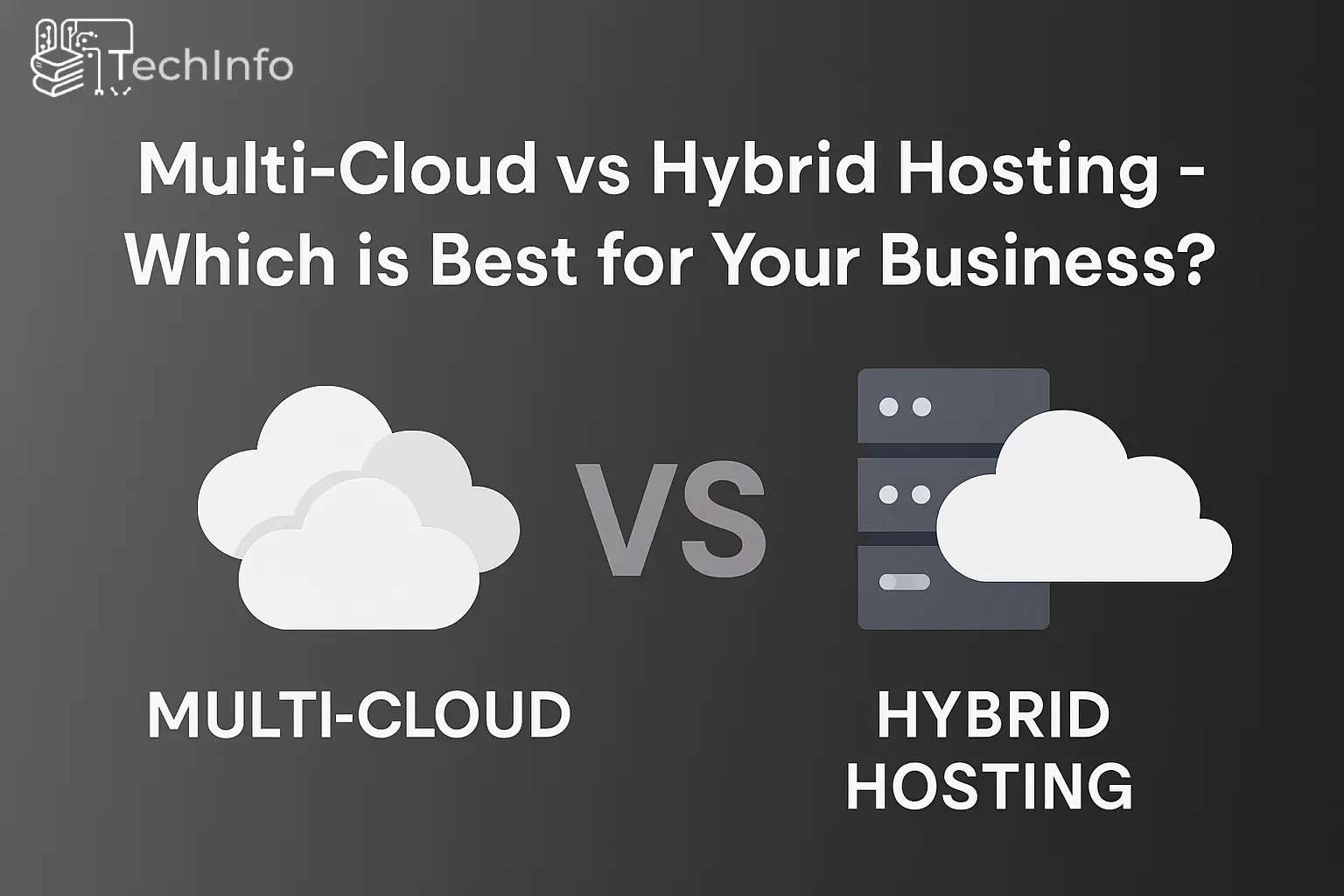
Information residency laws and local performance requirements have required a relocation away from centralized architectures. Big business frequently find themselves handling work across four or five various suppliers. This complexity requires a unified management layer that abstracts the underlying facilities. By 2026, the industry has decided on standardized procedures that enable containers and serverless functions to cross providers with very little configuration changes. This fluidity is necessary for maintaining a competitive edge in markets where milliseconds of delay outcome in lost earnings.
High-Performance Needs and Distributed Infrastructure
Performance requirements in 2026 are driven by the enormous expansion of real-time data processing. Whether it is self-governing logistics or high-frequency monetary modeling, the underlying hardware needs to react quickly. Specialized hardware, such as advanced processing units, is often dispersed across various regions to keep compute resources close to the data source. This geographical spread avoids the bottlenecking that prevailed when information had to travel back to a main data center.
Efficiency in 2026 is determined by the ability to scale vertically and horizontally without over-provisioning. Modern orchestration tools utilize predictive analytics to anticipate traffic spikes. If a localized occasion causes a sudden surge in demand, the system immediately spins up instances in the closest readily available zone, regardless of which company owns the physical server. This level of coordination counts on deep combination with application programming interfaces that have actually ended up being more consistent throughout the market over the last couple of years.
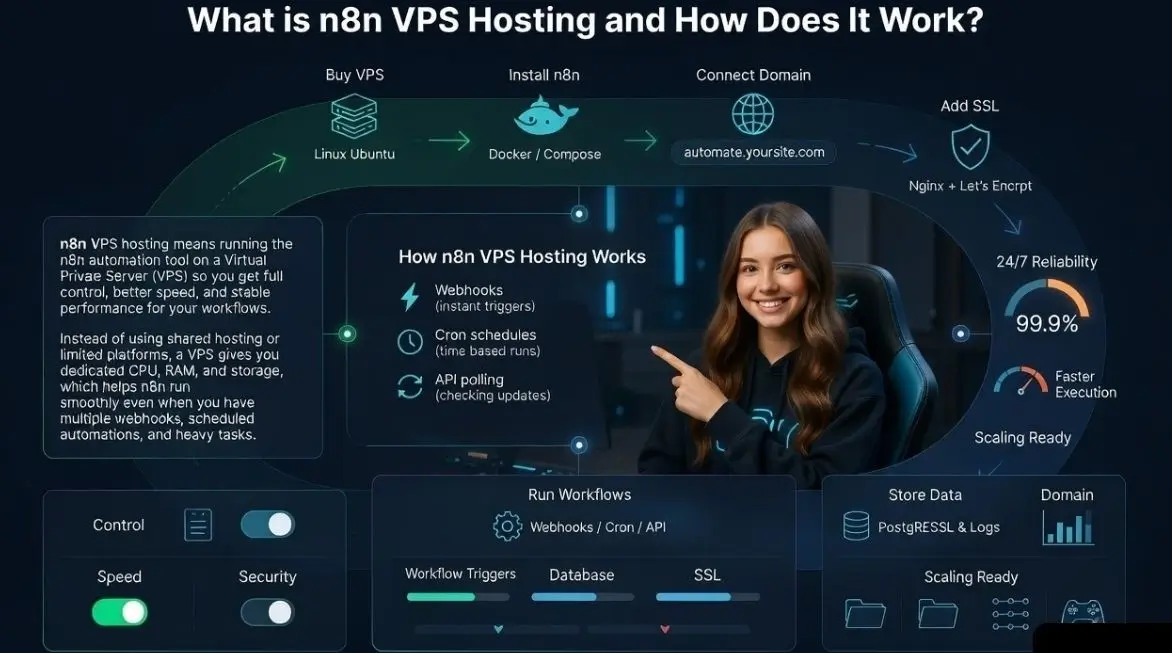
Technical teams are concentrating on Wikipedia Article to manage these complex interactions. This technique lowers the overhead associated with preserving separate workflows for each service provider. Rather of having professionals for each different cloud environment, engineers now utilize a single interface to define the desired state of the whole system. The orchestration layer then deals with the specific translations needed for each target environment, making sure consistency in security policies and efficiency benchmarks.
Scalability Solutions and Resource Optimization
The cost of calculate power stays a major aspect in 2026. While raw processing power has become more budget friendly, the energy requirements for enormous information centers have led to variable rates based upon the time of day and local power accessibility. Smart orchestration systems now include "carbon-aware" and "cost-aware" logic. These systems can move non-critical batch jobs to regions where renewable resource production is at its peak or where area rates is at its least expensive. This automated monetary management is a necessity for preserving healthy margins in data-heavy sectors.
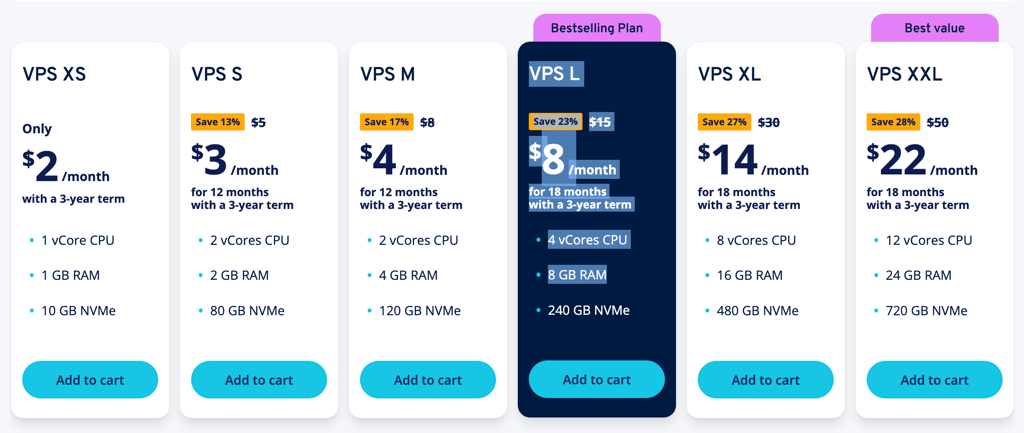
Scalability is no longer almost including more servers. It involves the intelligent circulation of stateful and stateless parts. In 2026, making use of SEO NEO VPS Hosting Specs has become a standard method for making sure that user data remains accessible even during provider-specific blackouts. By sharding information throughout multiple clouds, organizations safeguard themselves versus the total failure of a single supplier. This method likewise helps in abiding by rigorous information sovereignty guidelines that require certain details to remain within particular nationwide borders while still being available to worldwide applications.
Automated troubleshooting has also reached a new level of sophistication. When an efficiency deterioration is detected, the orchestration layer does not just signal a human operator. It starts a series of diagnostic tests and, if required, moves the affected services to a healthy environment. This self-healing ability is vital for 2026 facilities, where the large number of moving parts makes manual monitoring impossible for even the biggest groups.
The Role of Intelligence in System Coordination
Device learning designs dedicated to system health are now embedded directly into the orchestration stack. These models evaluate historic performance information to determine patterns that precede a failure. By 2026, these systems can recognize "silent" failures-- circumstances where a service seems running but is returning inaccurate data or responding too gradually. The system can then separate the bothersome node and change it with no influence on completion user.
The need for Wikipedia for Server Research shows the growing need for customized proficiency in these automated environments. Maintaining the reasoning that governs these transitions requires a deep understanding of both networking and software architecture. As 2026 continues, the space in between standard IT management and modern-day automatic orchestration broadens. Success depends upon the ability to rely on the automation while preserving adequate oversight to step in when the designs experience an unprecedented circumstance.
Security in a multi-cloud environment has approached a zero-trust design that is imposed at the orchestration level. Every interaction in between services, despite whether they are on the same cloud or different ones, is encrypted and confirmed. Identity management has ended up being the new border. By 2026, the orchestration layer manages the rotation of security keys and the enforcement of least-privilege access throughout the whole fleet of servers. This ensures that a breach in one little element does not jeopardize the stability of the whole system.
Future Outlook for Infrastructure Strength
Looking ahead through the remainder of 2026, the focus will likely shift toward even tighter combination in between edge devices and core cloud environments. The distinction in between a "server" and a "device" is becoming increasingly blurred. Orchestration tools are now handling work on regional 5G base stations and even high-capacity commercial sensing units. This extension of the cloud to the extreme edge permits processing speeds that were formerly believed impossible.
Resilience is developed into the very material of these systems. The 2026 technique to infrastructure is one of constant motion. Services are not fixed; they are constantly being enhanced, moved, and upgraded. This environment needs a shift in frame of mind from constructing "long-term" structures to managing "flowing" resources. The organizations that prosper are those that can adapt their resource usage in real-time, taking advantage of the very best available technology at any provided second.
The reliance on automated resource managers will only increase as information volumes grow. The intricacy of 2026 technology requires a level of precision that human operators merely can not match. By unloading the repeated tasks of scaling, patching, and stabilizing to specialized orchestration layers, technical groups are complimentary to concentrate on the high-level reasoning that drives their specific industry forward. This transition marks a brand-new age in calculating where the physical area of a server is secondary to the reasoning that manages it.
Standardization will continue to be a main theme. As more providers embrace open-source orchestration requirements, the friction of moving between clouds will continue to decrease. This competition amongst companies is helpful for the end user, as it drives down costs and motivates the fast rollout of brand-new functions. In 2026, the cloud is no longer a location but an utility that is consumed as needed, managed by intelligent systems that guarantee every byte of information is handled with maximum performance.