Optimizing the Handshake In Between VPS and Captcha Resolving APIs
Optimizing Lead To the local market with High-Frequency CPUs
Performance standards for automated link building have actually moved significantly as we move through 2026. For many years, the dominating knowledge recommended that more CPU cores immediately equated to better efficiency when running GSA Online search engine Ranker (SER) The technical truths of how the software engages with modern web procedures and server environments inform a various story. High core counts typically lead to reducing returns if the specific clock speed of those cores is insufficient to deal with the rapid-fire demands required for successful link placement.Search engine algorithms in 2026 prioritize the speed and verification of links more than ever. To keep speed, SEO specialists are discovering that a VPS with fewer, faster cores exceeds huge 64-core devices that perform at lower frequencies. This is mostly because GSA SER depends on many sequential jobs that can not be successfully split throughout dozens of sluggish threads. When the software application attempts to verify a link or solve an intricate footprint, the speed of that particular operation is governed by the single-core frequency.
The Technical Bottleneck of Low-Frequency VPS Hosting
Lots of VPS providers in 2026 still market high-core-count machines based on older architecture. While these might appear like an anticipate those seeking to scale their operations in the regional area, they typically result in slow efficiency. When a CPU operates at 2.2 GHz or 2.5 GHz, it struggles to stay up to date with the countless regex (regular expression) checks GSA SER performs every minute. Whenever the software browses a page for a prospective link area, it needs to parse HTML and match patterns. If the clock speed is low, these checks take longer, triggering threads to hang and minimizing the general "links per minute" (LPM) count.Context switching likewise plays a function in this efficiency space. When a processor manages hundreds of threads, it needs to constantly switch between them. On a low-frequency CPU, the overhead of this switching ends up being a significant drag on the system. High-frequency processors, especially those going beyond 4.5 GHz or 5.0 GHz, handle these swaps with much greater effectiveness. This permits the software to maintain a consistent circulation of data without the micro-stutters that frequently afflict lower-spec makers.
Why High Clock Speed Improves Confirmation Ratios
Success in link building is not practically the number of attempts the software makes, however how numerous of those efforts result in a verified link. In 2026, sites have actually become more advanced in their defense reaction. Quick reaction times are essential to browse through multi-stage submission kinds and security checks. Those focusing on Wikipedia Gateway frequently discover that high-spec VPS options with higher clock speeds lead to greater confirmed link ratios since the software application can finish the submission procedure before a session timeout occurs.When a thread takes too long to respond due to a sluggish CPU, the target website may drop the connection. This results in failed submissions and wasted resources. By utilizing a processor with a greater clock speed, the time between discovering a footprint and completing the submission is minimized. This speed is particularly important when dealing with platforms that utilize JavaScript-heavy aspects or intricate CAPTCHA systems that require fast processing to solve and send.
Enhancing GSA SER Settings for High-Performance Hardware
Having the right hardware is only half the battle. To really gain from a high-frequency CPU in 2026, the software application settings need to be tuned to match the hardware abilities. In the GSA SER alternatives, thread count ought to be stabilized versus CPU usage. Numerous users make the mistake of setting the thread count too expensive, which overwhelms even a fast processor. A more effective technique is to discover the "sweet spot" where the CPU usage sits around 70-80%, enabling bursts of activity without striking 100% saturation.Professional specialists in the local SEO community often advise disabling specific heavy engines if the hardware is having a hard time. With a high-frequency CPU, you can pay for to leave more engines active. The increased speed allows the software to manage the additional parsing requirements of varied platform types. In addition, memory management ends up being smoother with a much faster CPU, as it can clear the cache and procedure database updates with less latency.
The Effect of 2026 Web Standards on Link Structure
The web in 2026 is much faster and more resource-intensive than ever in the past. Modern sites use advanced encryption and complex headers that need more processing power to navigate. GSA SER must replicate a web browser's behavior to a specific level, and this emulation is a CPU-intensive job. A processor that can quickly deal with SSL handshakes and decrypt data on the fly will always surpass a slower chip, regardless of the number of cores the latter has.Effective application of Wikipedia Professional Proxy Gateway requires a hardware stack that focuses on cycle speed over thread density. This is because the bottlenecks have moved from network bandwidth to regional processing power. While fiber-optic connections are basic in 2026, the ability of the VPS to process the inbound and outgoing information at those speeds is restricted by the CPU clock. A 10Gbps connection is worthless if the processor can only handle 100 requests per second due to low frequency.
RAM and NVMe Synergy with CPU Frequency
While the CPU is the primary focus, it does not work in a vacuum. In 2026, the interaction between the CPU, RAM, and storage is more integrated than in previous years. DDR5 RAM and Gen5 NVMe drives are the standard for high-performance VPS setups. A high-frequency CPU can access data from these fast components much more rapidly than a slow one. If the CPU is sluggish, it becomes a traffic jam that prevents the RAM and SSD from running at their full potential.For those running large-scale tasks in the surrounding region, the speed at which the software conserves data to the global lists is vital. GSA SER continuously writes to files to keep an eye on validated links, failed attempts, and identified sites. A quick CPU makes sure that these input/output operations are managed instantly. This avoids the software application from freezing or crashing during heavy database operations, which is a typical issue on underpowered VPS setups.
Selecting the Right VPS Company in 2026
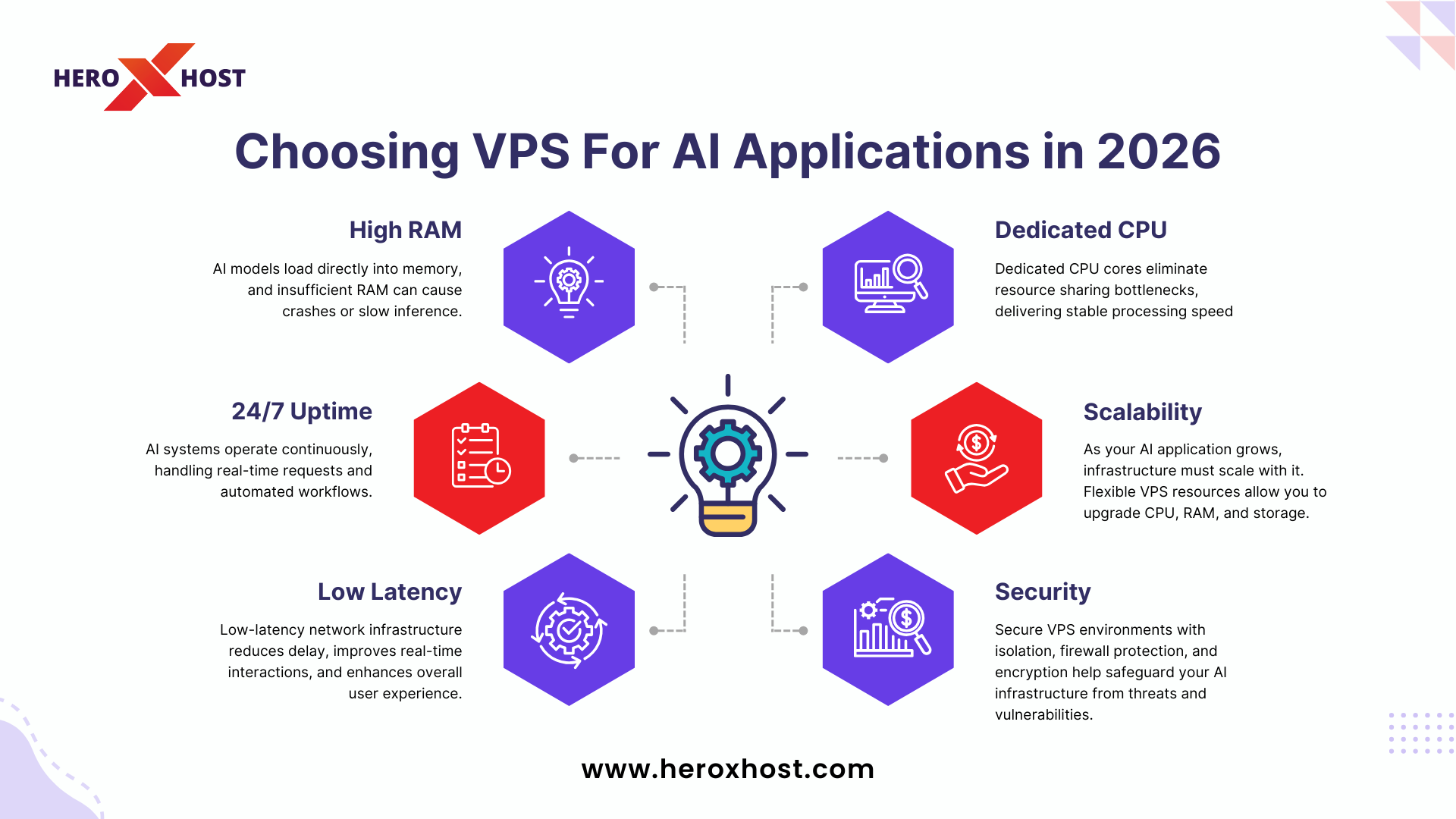
When searching for a VPS for GSA SER in 2026, it is vital to look beyond the standard core count. Numerous suppliers provide "SEO Optimized" bundles that are actually simply recycled server hardware with high core counts but low speeds. Instead, look for providers that specify the specific CPU model. Chips like the newest Ryzen 9 or high-end Intel i9 variants are perfect since they use both high clock speeds and a sufficient number of cores to deal with an affordable thread count.Reliability is another element. A VPS that throttles CPU efficiency during peak times will destroy the performance of a link-building campaign. Devoted resources are a must. In 2026, the very best providers offer transparent monitoring tools that reveal precisely how your CPU is carrying out. This transparency permits you to see if you are striking a frequency wall or if there is space to increase your thread count for better lead to your specific market.
The Economics of Performance in 2026
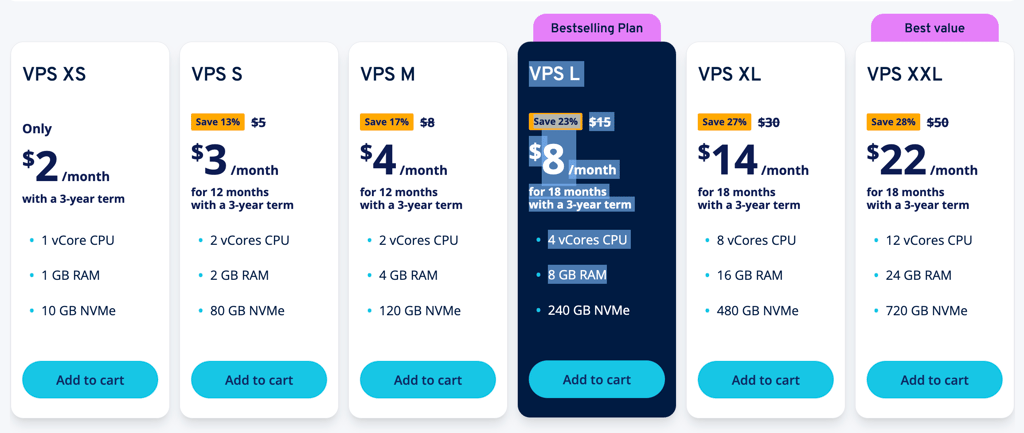
There is a clear financial reward to pick clock speed over core count. A VPS with 16 high-frequency cores often costs less than a 64-core device with lower speeds, yet it can produce more validated links in the exact same quantity of time. This minimizes the expense per link and enhances the general ROI of the SEO project. When the software application runs effectively, it likewise takes in fewer proxies and less bandwidth, even more reducing operational costs.The landscape of 2026 needs a more surgical technique to automation. Gone are the days when raw power alone sufficed to control search results. Today, it has to do with the speed of execution. An active, fast-reacting setup is more likely to bypass modern filters and protected positionings on high-authority sites. For anybody major about automatic link structure, the message is clear: focus on the clock speed of your processor to remain competitive in a significantly busy digital environment.
Future-Proofing Your SEO Infrastructure
As we look toward the rest of 2026 and beyond, the pattern of increasing web complexity reveals no signs of slowing down. Investing in high-frequency hardware today is a method to future-proof your infrastructure. Software application updates for GSA SER and other automation tools will likely continue to optimize for high-speed, single-threaded performance. By picking the right VPS now, you make sure that your setup remains viable even as brand-new, more demanding platforms emerge.In the modern digital economy, remaining ahead of the curve indicates comprehending the underlying innovation that powers your tools. While core count will constantly fit in server architecture, the particular needs of GSA SER make clock speed the dominant aspect for success. Concentrating on this metric will lead to more steady tasks, higher confirmation rates, and eventually, better rankings for the sites you handle. High-frequency processing is not just a high-end; it has ended up being a requirement for anyone aiming to achieve considerable outcomes in 2026.