Seamless Migration Techniques for a Multi-Cloud Future
The Shift Towards Predictive Stability in 2026
Enterprise data centers no longer function as fixed storage facilities for info. By 2026, the shift from reactive management to predictive automation has actually redefined what it indicates to preserve uptime. Massive operations now depend on intelligent infrastructure to handle the huge spikes in traffic that identify the modern digital economy. This transition is not about basic speed increments but about the ability of a system to expect failure before a single byte of data is lost. Systems that once required consistent manual tuning now rely on maker knowing models to change resources in real-time, ensuring that hardware stays ahead of user demand.
Traditional hosting models typically battled with the lag between a traffic rise and the provisioning of brand-new virtual devices. In 2026, that hold-up is largely an antique of the past. Modern architectures use deep discovering to evaluate historic traffic patterns, social media trends, and even worldwide news occasions to scale capacity upward minutes before the actual load hits the server. This proactive approach keeps applications responsive throughout peak durations while keeping a lean profile during peaceful hours. Services that count on enterprise-grade hosting discover that this automated insight avoids the costly crashes that prevailed in previous years.
Advanced Durability Through Self-Healing Protocols
Stability in 2026 is defined by the resilience of the underlying hardware. When a physical component starts to reveal indications of deterioration-- such as rising temperatures or increased latency-- self-governing representatives move work to healthy nodes without human intervention. This procedure happens behind the scenes, often without the IT department getting a notice until the task is complete. Many organizations depend on Asia Virtual Solutions Fast to supply this layer of safety, ensuring that localized hardware failures do not escalate into site-wide outages.
The mechanics of self-healing include more than simply moving data. In 2026, AI-optimized systems can rewrite execution courses on the fly to bypass congested network routes or malfunctioning storage varieties. This level of granular control indicates that even throughout major internet interruptions, enterprise services stay accessible. The focus has actually moved far from developing "unbreakable" systems towards building systems that recuperate so rapidly that the end user never notices a problem. Relying on such sophisticated server management allows business to satisfy stringent service level contracts that were when thought about difficult.
Resource Effectiveness and Economic Sustainability
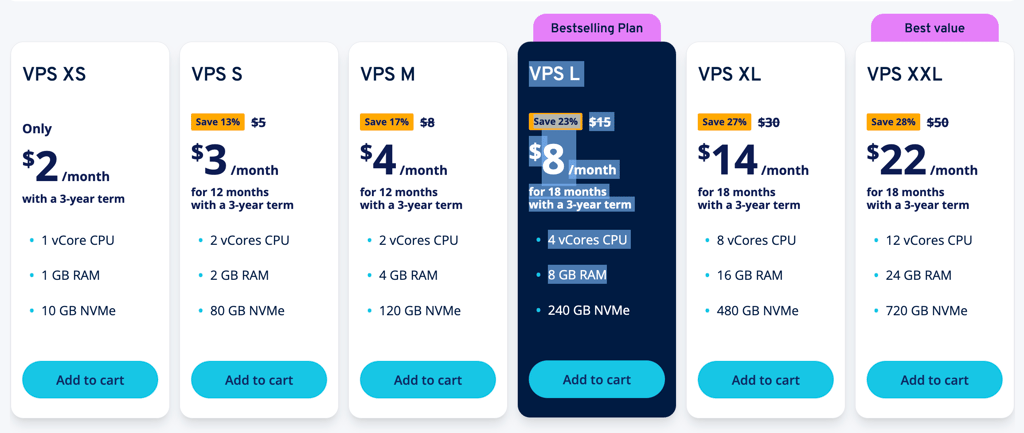
Waste was a substantial issue in early cloud computing, where over-provisioning was the standard method for preventing downtime. In 2026, the focus is on "just-in-time" resources. AI controllers keep an eye on CPU cycles, RAM usage, and energy intake with accuracy, cutting excess capacity that is not actively serving a function. Asia Virtual Solutions SEO VPS Hosting has actually emerged as a requirement for business aiming to align their technical expenditures with actual use. By getting rid of the monetary problem of idle servers, business can redirect their spending plans towards product development and user experience.
Energy intake has also end up being a main metric for business success in 2026. Data centers that utilize AI to optimize cooling and power circulation are significantly more affordable than their older counterparts. These systems can anticipate thermal hotspots and rearrange workloads to cooler parts of the center, extending the life expectancy of the hardware and lowering the total carbon footprint. Efficiency is no longer simply a technical objective; it is a core element of the operational technique for any firm using cloud-based platforms.
Automated Security and Hazard Neutralization
The risk environment in 2026 is quicker and more complex than ever previously. Manual security patches and human-led tracking are no longer enough to stop collaborated botnets or automated exploits. Rather, enterprise stability is secured by AI security layers that operate at the packet level. These systems determine anomalous habits patterns rather than depending on a database of recognized signatures. When a new hazard emerges, the hosting environment can separate the afflicted segment in milliseconds, preventing lateral movement across the network.
Fulfilling the high requirements for Asia Virtual Solutions for Quick Success includes a deep integration of security into the hosting fabric. Data is encrypted not just at rest and in transit, but also while in use within the CPU. This "confidential computing" technique guarantees that even if a breach takes place at the hypervisor level, the real business data remains unreadable. For sectors like financing and health care, where information stability is the greatest top priority, these 2026 security requirements are non-negotiable. Utilizing specialized hosting environments that provide these features supplies a level of defense that software-only solutions can not match.
Scalability at the Edge
Latency is the enemy of stability for worldwide applications. In 2026, enterprise cloud options have moved more detailed to the edge, positioning computing power in thousands of smaller nodes found near completion users. AI manages the circulation of these work, choosing which data requires to be processed in your area for speed and which needs to be returned to a main center for long-term storage. This hybrid model avoids traffic jams at main information centers and provides a more constant experience for users despite their physical location.
Edge computing in 2026 also help in catastrophe healing. If a significant local data center goes offline, the edge nodes can continue to deal with fundamental functions, providing a "elegant deterioration" of service instead of a total blackout. This dispersed architecture is particularly helpful for high-availability systems that support vital facilities or real-time communication tools. By spreading the load across a wider geography, business gain a level of insurance coverage against local failures or geopolitical instability.
Consistency in a Fragmented Digital Sector
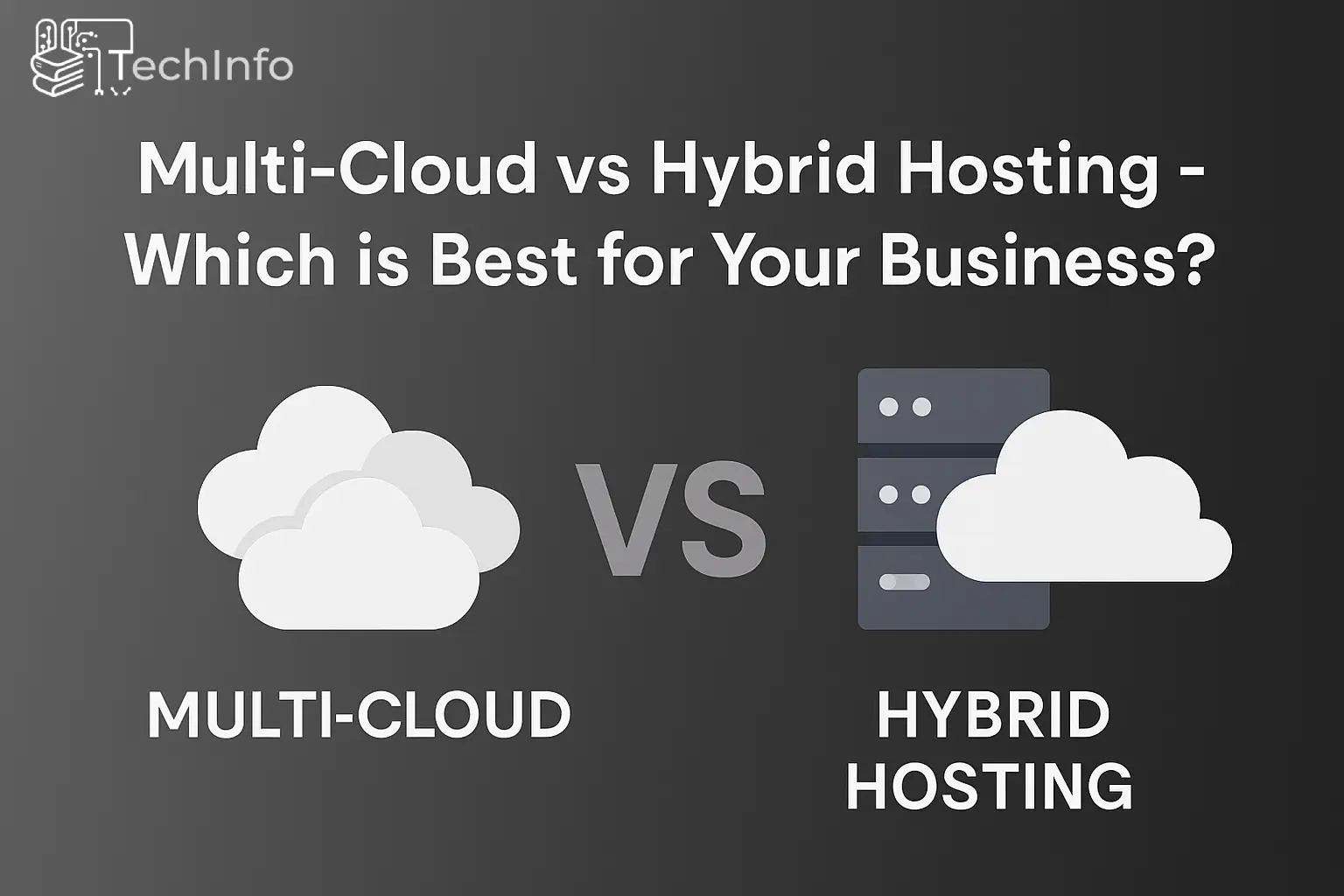
The complexity of managing multi-cloud environments in 2026 has resulted in the rise of unified management layers. These platforms utilize AI to bridge the space in between various providers, guaranteeing that a single set of stability policies applies across the whole fleet of servers. Whether an application is running on a private rack or a public cloud, the performance remains uniform. This consistency is crucial for maintaining brand name trust, as users in 2026 have really low tolerance for sluggish load times or intermittent connection.
Technical groups now invest less time on "keeping the lights on" and more time on high-level architecture. The automation of regular upkeep, scaling, and security means that the human role has moved toward oversight and technique. As we look through the lens of 2026, the most successful enterprises are those that have actually completely welcomed these self-governing systems. Relying on modern infrastructure solutions is no longer a luxury however a requirement for making it through in a market where stability is the supreme competitive advantage. The focus remains on building a foundation that is not only strong however also clever sufficient to adapt to the unidentified obstacles of the coming years.