The Professional Guide to Windows Server 2026 Thread Optimization

2026 Hardware Standards for High-Performance SEO Automation
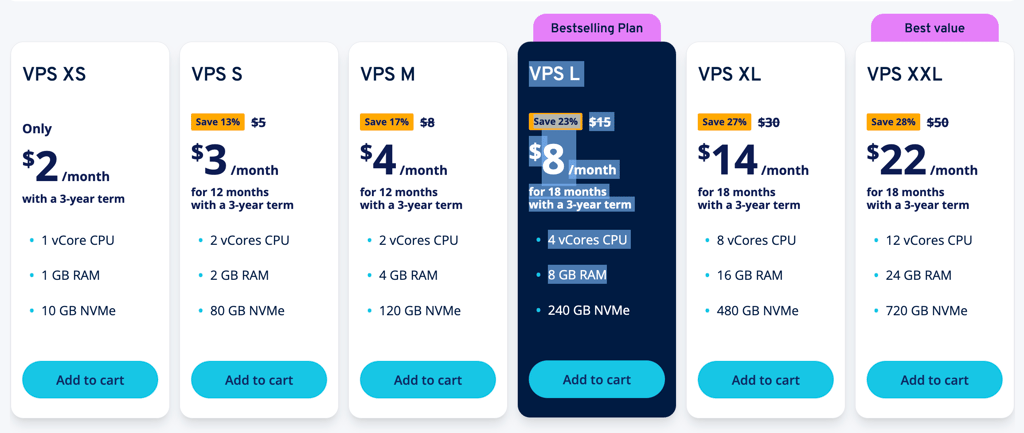
Modern SEO automation in 2026 relies on the synergy between raw processing power and resolving effectiveness. As captchas have moved toward behavioral analysis and complex visual puzzles, the burden on Virtual Private Servers (VPS) has actually grown substantially. A normal setup for GSA Search Engine Ranker now requires more than just a standard dual-core setup. High-spec environments in 2026 frequently include AMD EPYC or Intel Xeon Gold processors with 32 to 64 threads. This level of power is needed since the software application must manage countless concurrent connections while all at once managing the background procedures of numerous fixing services.Memory management has become another crucial element. In 2026, 128GB of DDR5 RAM is thought about the entry point for huge projects. When running GSA Browse Engine Ranker together with local fixing tools, the RAM acts as a buffer for the huge quantities of information being processed per second. Sluggish memory leads to thread hanging, which in turn causes the captcha solving queue to back up. This traffic jam can mess up the ROI of a job. Expert users often select NVMe Gen5 storage to ensure that the continuous logging and site-list reading do not present latency.
The Evolution of Captcha Resolving APIs
The captcha fixing industry has actually undergone an essential modification. By 2026, basic text-based captchas are practically nonexistent. Most platforms use innovative image recognition, hCaptcha, or reCAPTCHA v3 and v4 versions that examine mouse movement and web browser fingerprints. Solving these needs a VPS that can manage high-speed API calls without timing out. Most experts now utilize a tiered technique to fixing. They utilize a regional OCR tool for easy, recognized patterns and unload the more tough puzzles to cloud-based services.The response time of these services is measured in milliseconds. In 2026, if a solving service takes longer than three seconds, the target website likely has actually already timed out the session. This is why the network place of the VPS matters. Putting a VPS in regional data centers can minimize the round-trip time between the automation software and the solving service. This geographical proximity ensures that the solved token is sent out back while the target website still considers the session active.
Local OCR vs. Cloud-Based Solving Reasoning
Local solving tools have ended up being a lot more capable thanks to AI integration. In 2026, these tools can solve approximately 70 percent of typical captchas without needing an external API. This saves cash, however it puts a huge strain on the VPS CPU. When GSA Online Search Engine Ranker is running 500 to 1,000 threads, the regional solver may be utilizing 40 percent of the CPU just to procedure images. If the VPS is underpowered, the solver will stop working, leading to lost bandwidth and possible IP restrictions from target sites.Cloud-based services are the safeguard. They are utilized for the 30 percent of puzzles that the regional solver can not decipher. A lot of professionals configure their software to try the regional solver two times before sending out the puzzle to a paid API. This logic helps keep costs manageable. Executing Asia Virtual Solutions All-Inclusive VPS Upgrade often requires a careful balance of API balance and local CPU overhead to maintain high submission rates without overspending.
Enhancing GSA Browse Engine Ranker Threading
Thread management is the most misunderstood element of utilizing GSA Browse Engine Ranker in a VPS environment. Numerous users think that more threads constantly suggest more backlinks. However, in 2026, the limiting factor is generally the rate at which captchas can be solved. If you set the software to 2,000 threads but your solver can only deal with 10 captchas per second, the threads will just sit idle, waiting on the solver to react. This wastes VPS resources and can trigger the software application to crash.A more effective technique includes matching the thread count to the solve rate. For a high-spec VPS, 500 to 800 threads is frequently the sweet area. This allows for a steady circulation of submissions without overwhelming the captcha line. It is likewise essential to set the "Time out" settings properly. In 2026, 120 to 180 seconds is the standard timeout for intricate captchas. Setting this too low will result in "stopped working to resolve" mistakes for puzzles that were in fact on the edge of being finished.
Handling Expenses in regional data centers
The monetary aspect of automated link building is tied directly to captcha resolving success rates. Every stopped working fix is a small waste of money, but every successful resolve on a low-grade website is a bigger waste of resources. High-spec VPS users in 2026 usage filtering to guarantee they just send captchas for sites with particular metrics. This targeted approach decreases the total variety of puzzles sent out to paid APIs.The industry shift towards Asia Virtual Solutions Infrastructure shows the need for faster action times and much better filtering. By just attempting to solve puzzles on high-authority domains, the expense per effective link remains low even if the price of fixing services boosts. In addition, lots of VPS companies now offer "SEO-optimized" bundles that consist of pre-configured firewall program settings to permit for the high volume of outbound traffic that GSA Online search engine Ranker produces.
Proxy Combination and Solver Reliability
Proxies are the bridge in between the VPS and the target site. If the proxies are sluggish, the captcha will not fill, or the solver will receive a damaged image. In 2026, property and mobile proxies are the standard for high-success projects. Information center proxies are too easily identified by contemporary captcha systems. When a captcha service receives an image from a flagged IP, it might provide a "unsolvable" response or intentionally decrease the solving speed.Maintaining a healthy proxy swimming pool is just as crucial as the VPS hardware. The software application needs to be set up to rotate proxies each time a captcha is provided. This avoids the target website from seeing several failed attempts from the very same IP, which frequently activates even harder puzzles. High-spec VPS environments typically have adequate bandwidth to handle the overhead of turning proxies with no obvious drop in submission speed.
Tweaking the Solving Environment
To get the most out of a VPS in 2026, the operating system needs particular tweaks. Windows Server 2025 and 2026 are common choices, but they come with lots of background services that are unneeded for SEO automation. Disabling Windows Defender (with a third-party alternative in place) and switching off unnecessary visual impacts can free up a little but significant quantity of CPU cycles.The windows registry can likewise be modified to increase the number of concurrent TCP connections allowed. By default, Windows restricts this to prevent malware dispersing, but for GSA Online Search Engine Ranker, these limitations can be a major obstacle. Increasing the ephemeral port range and lowering the TIME_WAIT delay allows the VPS to open and close connections much quicker. This leads to more captchas being pulled and solved in the exact same quantity of time.
The Value of Software Application Updates and AI Training
Captcha fixing is an arms race. In 2026, both GSA Online Search Engine Ranker and the resolving services update their algorithms weekly. Keeping the software updated on the VPS is obligatory. Lots of users automate these updates using scripts to guarantee they are constantly utilizing the latest AI models for image recognition. Some local solvers even permit customized training, where the user can feed the software countless fixed captchas to improve its precision on a specific platform.This custom training needs considerable CPU time, which is another reason for picking a high-spec VPS. Running a training session in the background while active campaigns are running is just possible on devices with high core counts. Users who invest in these powerful environments find that their expense per link drops over time as their local solver becomes more efficient at dealing with the particular sites in their specific niche.
Success Metrics in a Competitive Environment
Determining success in 2026 surpasses simply counting links. Professionals look at the "LpM" (Links per Minute) and the "Captcha Success Rate" as their main KPIs. A high-spec VPS must have the ability to maintain an LpM of over 50 on a clean list with a captcha success rate of a minimum of 40 percent for paid services and 70 percent for local OCR. If these numbers dip, it is generally a sign that the VPS is throttled or the proxies are failing.Regularly auditing the logs in GSA Search Engine Ranker helps recognize which resolving service is underperforming. Some services may be exceptional at reCAPTCHA but battle with the brand-new hCaptcha variations introduced in 2026. By using multiple services and prioritizing them based upon their historic efficiency for specific captcha types, users can enhance their VPS for the very best possible outcomes.
Future Outlook for Automated Resolving
As we look further into 2026 and beyond, the pattern is approaching much more integrated AI. We might see the VPS hardware itself being utilized to run neural networks that fix captchas in real-time without any external API. This would need GPUs in the VPS, which is already ending up being an option in numerous tech-forward regions. The cost of these GPU-enabled servers is greater, but the removal of monthly API expenses for captcha fixing might make them more successful in the long run.The secret to durability in this field is versatility. The tools and hardware that work today will need to be adjusted as site owners find new methods to block automatic traffic. By keeping a high-spec VPS and stay on top of the latest captcha fixing patterns, specialists can continue to generate premium backlinks at scale, even in the progressively complicated digital environment of 2026. Consistent monitoring and small adjustments to the threading and resolving reasoning are the trademarks of an effective automated SEO method.