The Rational Reason Link Building Software Prefers Fast Single-Core Efficiency

Enhancing Storage in high-end server environments
In 2026, the sheer volume of data processed by GSA Online search engine Ranker has actually reached levels that would have been inconceivable just a few years ago. As the software application attempts to filter millions of URLs across worldwide website lists, the hardware traffic jam has moved far from raw CPU power towards disk I/O performance. When running high-thread tasks on a VPS, the capability of the storage subsystem to manage synchronised read and write demands determines the success of a link-building campaign. Specialists who have a deep knowledge in Asia Virtual Solutions Network frequently find that even the fastest processors stay idle if the underlying SSD can not clear the information queue quick enough.
Storage latency remains the quiet killer of automated ranking efforts. When GSA SER processes a global list, it constantly queries a database to check if a domain has been previously contacted or if it matches particular footprints. In 2026, these databases typically grow to a number of gigabytes in size. Standard SATA SSDs and even early-generation NVMe drives struggle to preserve the required IOPS when thread counts exceed 500. High-spec VPS providers now favor PCIe 6.0 NVMe storage, which provides the throughput essential to keep the software application from freezing throughout heavy confirmation cycles.
NVMe Gen6 Throughput in 2026
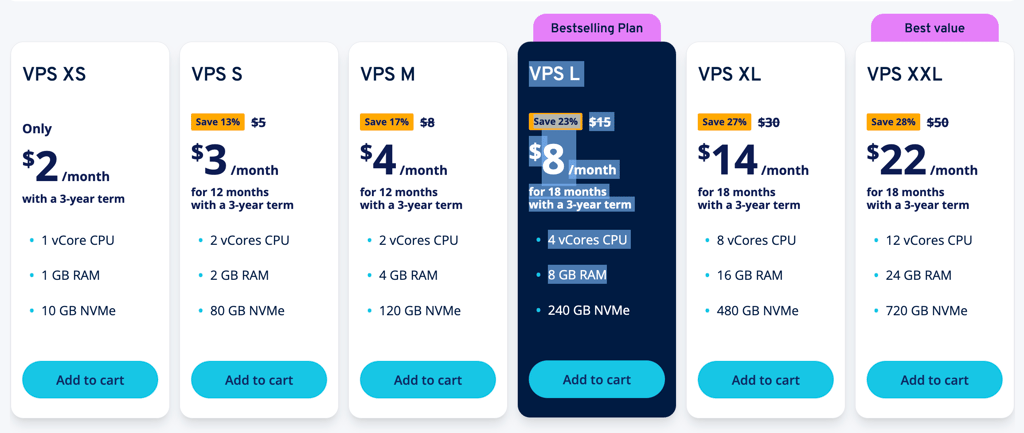
The shift to Gen6 NVMe technology in modern hosting clusters has actually supplied a needed cushion for data-heavy applications. These drives offer random read and write speeds that permit GSA SER to access worldwide website lists without the dreadful "Not Responding" status in the Windows job manager. To maximize this hardware, users need to ensure their VPS provider is not over-provisioning the storage array. Committed IOPS (Input/Output Operations Per Second) are even more important than raw storage capability. A 50GB partition with 100,000 dedicated IOPS will outperform a 2TB partition with shared, throttled gain access to every time.
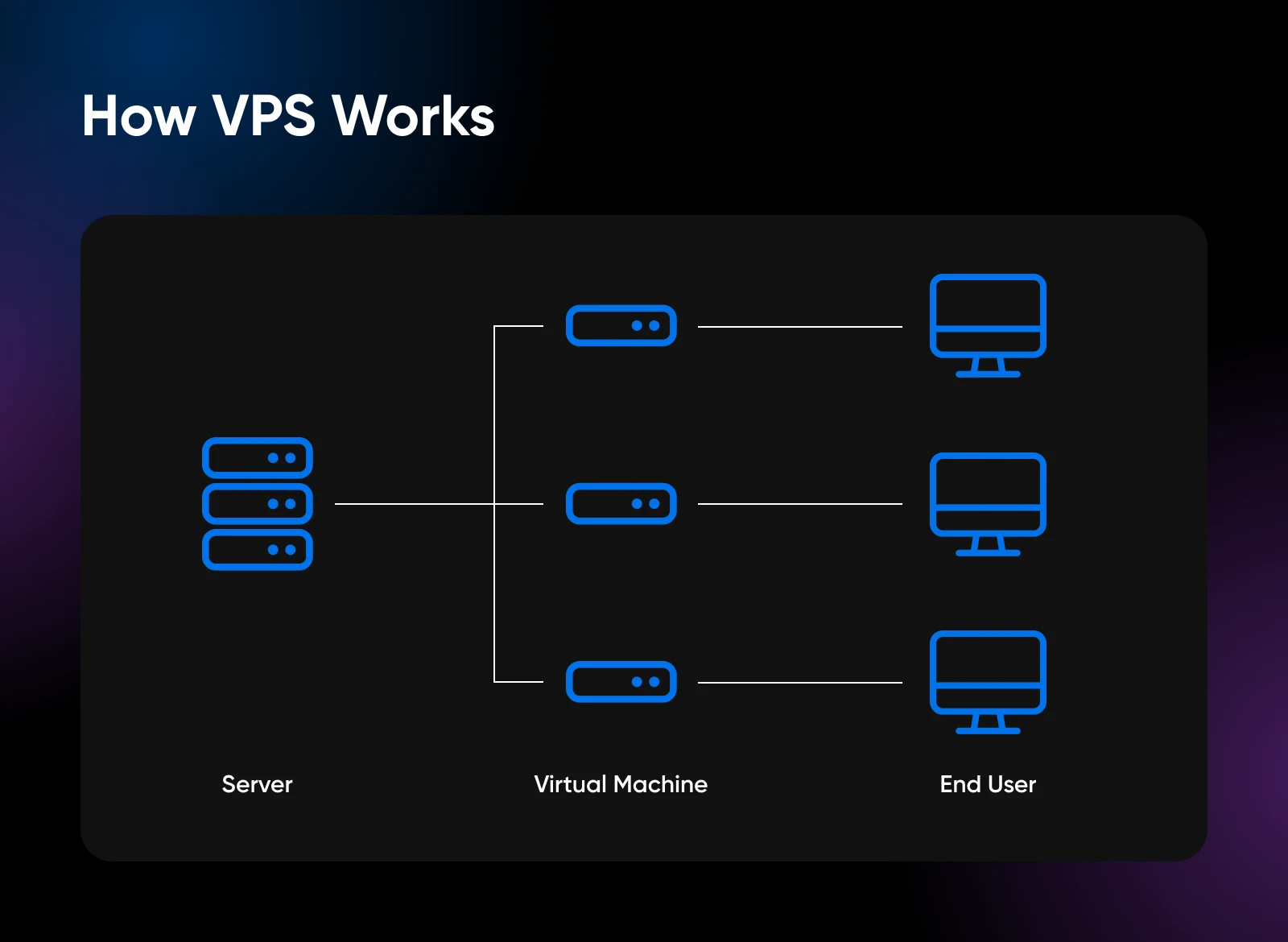
Disk contention occurs when several virtual makers on the same physical host defend the exact same storage controller bandwidth. In 2026, top-tier VPS setups use NVMe-over-Fabrics (NVMe-oF) to decrease this friction. This technology permits the virtual disk to communicate with the physical storage swimming pool with minimal overhead. When setting up a brand-new instance, selecting a supplier that utilizes KVM virtualization with VirtIO SCSI chauffeurs is a standard requirement. These chauffeurs enable the visitor operating system to bypass specific emulation layers, sending commands directly to the storage controller for faster execution.
Database Reliability for global Server Nodes
GSA Online search engine Ranker stores its task information, confirmed lists, and account info in flat files and small databases. In time, these files become fragmented. While conventional defragmentation is unneeded for SSDs, the file system itself can become a bottleneck. Utilizing a bigger NTFS cluster size during the initial Windows setup can yield performance gains. A 64KB cluster size, rather than the default 4KB, minimizes the variety of entries in the Master File Table (MFT) This change makes it much faster for the OS to locate and access the big "Verified" and "Determined" lists that define heavy GSA SER usage.
The demand for Asia Virtual Solutions Performance Proxy Network has driven numerous users to reassess their os configuration. Disabling unnecessary Windows functions can maximize significant I/O overhead. Disabling the "Last Access Time" stamp on files avoids the OS from writing to the disk every time GSA SER reads a website list. This is attained through the command line utilizing fsutil behavior set disablelastaccess 1. While relatively minor, this tweak conserves millions of unnecessary compose operations throughout a week-long project, extending the life of the SSD and reducing latency spikes.
Memory Caching and RAM Disks
With DDR5 and DDR6 memory becoming requirement in 2026, numerous high-spec VPS circumstances come equipped with 64GB or 128GB of RAM. A significant portion of this memory can be used to protect the SSD from excessive wear and tear. Creating a RAM disk for the GSA SER "Appdata" or "Temperature" folders is a highly reliable technique. Since RAM is orders of magnitude much faster than even the very best NVMe drive, moving the most active databases to a virtual disk in memory gets rid of I/O wait times totally. The only danger is information loss throughout a power failure, however a lot of 2026 data centers have sufficient redundancy to make this a minimal concern.
Setting up a RAM disk includes allocating a portion of system memory to look like a physical drive letter. Users then point the GSA SER folder locations to this brand-new drive. For worldwide website lists, which are often read-heavy, this setup permits for near-instantaneous footprint matching. The software can scan through millions of lines of text in seconds since it is not restricted by the physical look for times of a disk controller. This setup is especially effective when integrated with a high-speed fiber connection that generates new data quicker than standard storage can tape-record it.
Advanced File System Fine-tunes in the server room
Windows Protector and other real-time antivirus options can cripple GSA SER performance. Whenever the software application creates a brand-new log file or updates a validated list, the anti-viruses engine attempts to scan the file. In a high-thread environment, this creates a huge line of pending operations. Leaving Out the GSA SER installation directory and the worldwide website list folders from real-time scanning is a prerequisite for any major user. In 2026, the integrated security functions of Windows are more aggressive than ever, making these exemptions a priority during the preliminary server hardening procedure.
Database bloating is another issue that impacts long-lasting efficiency. GSA SER has integrated tools to clean and compress databases, but these need to be supplemented with manual upkeep. Occasionally archiving old task information and cleaning out the "Determined" list makes sure that the software application is just working with fresh, appropriate information. Smaller files are much easier for the OS to cache in the system buffer, which even more lowers the dependence on physical disk checks out. Monitoring the "Disk Line Length" in the Windows Resource Monitor offers an immediate take a look at whether the present hardware can handle the project load.
Hardware Virtualization and Disk Passthrough
In 2026, some innovative users decide for "Disk Passthrough" in their VPS environments. This allows the virtual maker to have direct control over a physical NVMe drive rather than utilizing a virtual disk file (like a VHDX or VMDK) While this restricts the ability of the VPS supplier to carry out particular live migrations, the performance gain is quantifiable. Direct access gets rid of the overhead of the hypervisor's file system, offering a raw pipeline for data transfer. This setup is normally just readily available on "Bare Metal VPS" or dedicated server strategies, however for those running the highest tiers of GSA SER, it is the gold standard for storage efficiency.
The choice in between different RAID levels likewise contributes in I/O optimization. RAID 10 is generally preferred over RAID 5 or RAID 6 in a database-heavy environment. RAID 10 offers the speed of removing with the security of mirroring, without the parity estimation overhead that can slow down compose operations. When choosing a host in a major tech hub, asking about the RAID configuration of their storage backend can supply insight into how the server will deal with the ruthless compose cycles of an automatic link contractor.
Logging and Mistake Handling
GSA SER produces a tremendous amount of log information. By default, the software records every success, failure, and connection mistake. Writing these logs to the SSD in real-time creates a continuous stream of little compose operations. Lowering the log level to just tape vital info or "Successes Only" can substantially lower disk activity. Directing the log files to a secondary, more affordable SSD or a RAM disk keeps the primary NVMe drive free for database inquiries. In 2026, effective log management is frequently the distinction in between a server that runs for months without intervention and one that requires a weekly reboot due to resource fatigue.
Correctly managing the worldwide website list is also about physical file company. Instead of one massive text file, GSA SER typically works much better when the "Recognized" folder is kept lean. Regularly moving verified targets into their own jobs and clearing the short-term folders avoids the file system from having to handle excessively large directory sites. NTFS efficiency starts to break down when a single folder includes hundreds of thousands of specific files, so keeping a clean directory structure is as much about speed as it has to do with organization.
The synergy between software and hardware configuration in 2026 has actually reached a point where small settings have outsized impacts. A high-spec VPS is only as quick as its slowest component. By focusing on NVMe throughput, cluster size optimization, and memory-based caching, users can ensure their GSA SER circumstances run at peak efficiency. These technical improvements enable higher thread counts, faster confirmations, and eventually, more successful projects in the competitive search environment of 2026.