Why Data Center Innovation Is Top Priority One

Hardware-Level Isolation in 2026 Virtual Server Environments
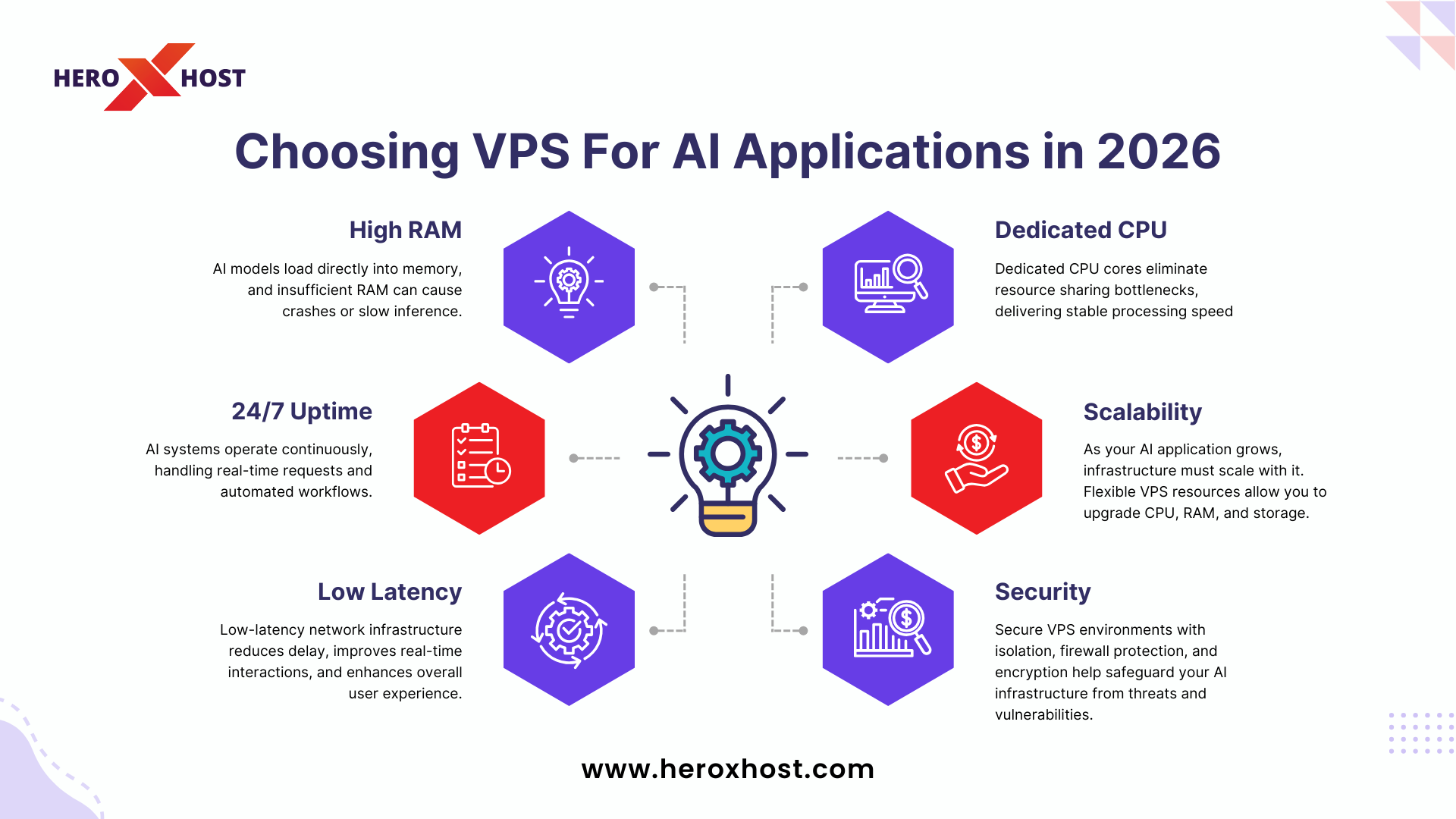
The requirement for virtual private server security in 2026 has actually shifted from software-based firewall softwares to hardware-enforced isolation. As information breaches became more sophisticated early in the decade, the market moved toward Confidential Computing. This innovation utilizes Trusted Execution Environments (TEEs) to encrypt data while it is being processed in the system memory. In 2026, any high-performance hosting option that lacks silicon-level file encryption is thought about obsolete. This shift guarantees that even if a hypervisor is jeopardized, the information residing within individual virtual devices stays encrypted and inaccessible to unauthorized actors.
Hardware providers have presented specialized directions in 2026 processors that particularly manage memory tagging. This prevents typical exploits like buffer overflows and use-after-free vulnerabilities at the physical level. For services handling delicate information, these 2026 requirements offer a layer of certainty that was previously impossible. Memory seclusion is no longer a high-end feature however a foundational requirement for any server circumstances. Those who focus on security in SEO NEO VPS Specs frequently validate that their companies utilize 2026-grade chipsets with active memory file encryption allowed by default.
Executing Zero Trust for High-Performance Infrastructure
The principle of a safe and secure perimeter has mostly vanished in 2026. Instead, Absolutely No Trust Architecture (ZTA) governs how virtual servers engage within a network. Every request, whether it originates from a known internal IP or an external source, requires stringent authentication and permission. In 2026, identity-based security has actually replaced static IP whitelisting. This suggests that access is approved based upon the identity of the service or user, validated through multi-factor authentication and cryptographic certificates that rotate every few minutes.
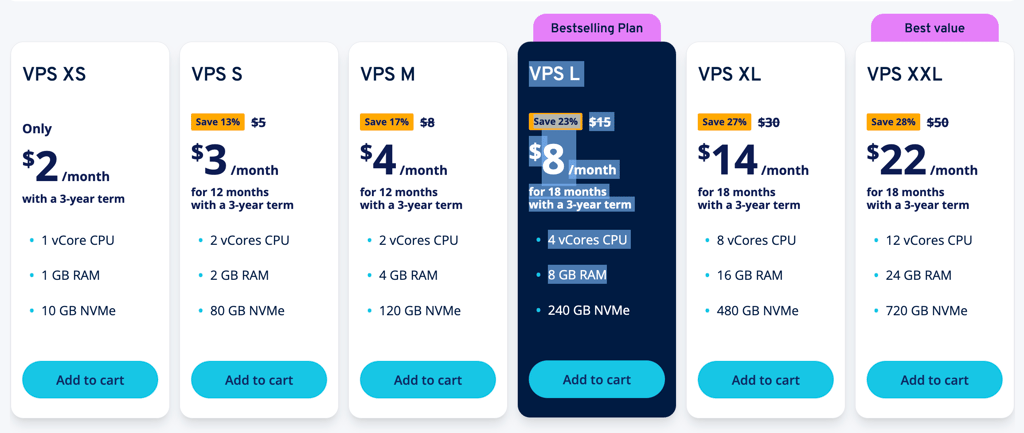
Micro-segmentation is another pillar of 2026 VPS security. By dividing the virtual network into granular sectors, administrators can consist of hazards before they spread out. If one server is targeted, the rest of the network stays safeguarded because there is no inherent trust between nodes. Decision-makers discovering value in SEO NEO SEO NEO VPS Price often indicate this granular control as a factor for its extensive adoption. 2026 systems utilize automated policies to adjust these sectors in real-time based on the existing hazard level, making sure that efficiency stays high while security remains tight.
Identity-aware proxies have also end up being a basic element of the 2026 stack. These proxies serve as a gatekeeper, examining every package not just for its location, however for the intent and permission of the sender. This level of scrutiny takes place at the edge of the network, lowering the load on the real VPS and preserving the high-performance criteria needed by modern applications.
Scalability and Automated Hazard Mitigation
One of the most significant developments in 2026 is the combination of maker knowing for real-time hazard mitigation. Standard signature-based anti-virus tools are too slow for the speed of 2026 cyber-attacks. Modern systems use behavioral analysis to identify anomalies in server efficiency or network traffic. If a VPS starts showing unusual outgoing traffic patterns, the 2026 security layer can instantly throttle the connection or move the instance to a quarantined "sandbox" for more examination without human intervention.
This automation is connected directly to cloud scalability. When a security hazard is identified, the 2026 infrastructure can spin up a clean mirror of the server while the suspicious one is evaluated. This procedure ensures zero downtime for the end-user. The ability to scale resources during an attack-- such as a Dispersed Rejection of Service (DDoS) occasion-- is a hallmark of 2026 server management. Modern scrubbers can handle terabits of destructive traffic per second, straining the noise while permitting legitimate users to access the application without lag.
Growing demand for Asia Virtual Solutions on YouTube has caused the advancement of localized security nodes. these nodes procedure security checks more detailed to the user, which is a significant element in the high-performance results seen in 2026. By offloading the heavy lifting of decryption and package inspection to specialized edge hardware, the primary VPS can devote its CPU and RAM to core application jobs. This separation of responsibilities is a key reason that 2026 servers are substantially faster than those from simply a couple of years back.
Data Sovereignty and Compliance in 2026
Regulative requirements have become more rigid in 2026, needing accurate control over where data is saved and processed. VPS service providers now offer "sovereign clouds" where hardware is physically situated in specific jurisdictions and managed under regional laws. Security requirements in 2026 include automated compliance auditing, where the system creates real-time reports to show that data has not left its designated region. This is particularly pertinent for financial services and doctor who need to abide by stringent 2026 privacy requireds.
File encryption secrets are no longer managed by the provider in many 2026 setups. "Bring Your Own Key" (BYOK) and "Hold Your Own Secret" (HYOK) designs are the standard. This ensures that even if a federal government or a 3rd celebration subpoenas the hosting service provider, the information stays unreadable due to the fact that the company does not have the secrets. This level of autonomy is a huge part of the 2026 security standard, offering users complete ownership over their digital properties.
As we take a look at the 2026 environment, the focus is on a multi-layered defense. From the physical silicon to the automated network policies and the user-controlled encryption secrets, every layer is developed to be independent yet collective. High-performance infrastructure in 2026 is defined by its capability to remain fast and responsive even while under constant surveillance and possible attack. The combination of hardware isolation, zero-trust protocols, and automated response systems makes the 2026 VPS a a lot more resistant choice for any modern-day enterprise.
By sticking to these 2026 requirements, organizations can concentrate on growth and innovation. The infrastructure handles the intricacies of defense, permitting developers to release code with self-confidence. The 2026 shift toward integrated, hardware-first security has actually developed a more stable and foreseeable environment for everyone involved in the digital economy.